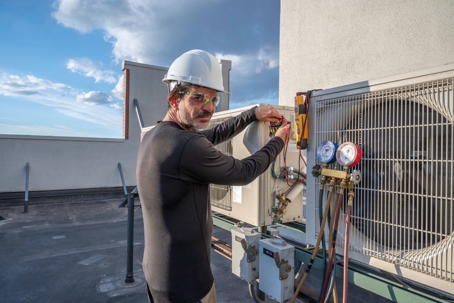

How Ductless Mini-Split Systems Work
Ductless mini-split systems operate using two main components: an outdoor compressor and one or more indoor air-handling units. The system uses refrigerant to transfer heat between the indoor and outdoor units, allowing for efficient heating and cooling without the need for ductwork.
This technology provides users with the flexibility to control the temperature in individual rooms, enhancing comfort and energy efficiency. Unlike traditional systems, ductless mini-splits can be easily installed in various configurations, making them suitable for homes without existing ductwork.
Installation Process for Ductless Mini-Split Systems
The installation of ductless mini-split systems is a straightforward process that typically requires less time than traditional HVAC systems. A certified technician will assess your home, determine the optimal placement for the indoor and outdoor units, and complete the installation with minimal disruption.
During installation, a small hole is drilled to connect the indoor and outdoor units, which allows for the refrigerant lines and electrical wiring to be routed. This efficiency not only saves time but also reduces the overall cost of installation, making ductless systems an attractive option for homeowners.
Maintenance Tips for Ductless Mini-Split Systems
Regular maintenance is essential to ensure the longevity and efficiency of ductless mini-split systems. Homeowners should clean or replace filters every few months, check for any obstructions around the outdoor unit, and schedule professional maintenance at least once a year.
By adhering to these maintenance tips, users can prevent potential issues and ensure their systems operate at peak performance. Proper care can also extend the lifespan of the units, ultimately providing a better return on investment.
Comparing Ductless Mini-Splits to Traditional HVAC Systems
When evaluating heating and cooling options, many homeowners wonder how ductless mini-splits compare to traditional HVAC systems. Ductless systems offer several advantages, including improved energy efficiency, lower installation costs, and the ability to control temperatures in individual rooms.
In contrast, traditional systems often require extensive ductwork and may lead to energy loss through leaks. By understanding these differences, homeowners can make informed decisions about the best HVAC solution for their needs.
How Ductless Mini-Split Systems Work
Ductless mini-split systems operate using two main components: an outdoor compressor and one or more indoor air-handling units. The system uses refrigerant to transfer heat between the indoor and outdoor units, allowing for efficient heating and cooling without the need for ductwork.
This technology provides users with the flexibility to control the temperature in individual rooms, enhancing comfort and energy efficiency. Unlike traditional systems, ductless mini-splits can be easily installed in various configurations, making them suitable for homes without existing ductwork.
Installation Process for Ductless Mini-Split Systems
The installation of ductless mini-split systems is a straightforward process that typically requires less time than traditional HVAC systems. A certified technician will assess your home, determine the optimal placement for the indoor and outdoor units, and complete the installation with minimal disruption.
During installation, a small hole is drilled to connect the indoor and outdoor units, which allows for the refrigerant lines and electrical wiring to be routed. This efficiency not only saves time but also reduces the overall cost of installation, making ductless systems an attractive option for homeowners.
Maintenance Tips for Ductless Mini-Split Systems
Regular maintenance is essential to ensure the longevity and efficiency of ductless mini-split systems. Homeowners should clean or replace filters every few months, check for any obstructions around the outdoor unit, and schedule professional maintenance at least once a year.
By adhering to these maintenance tips, users can prevent potential issues and ensure their systems operate at peak performance. Proper care can also extend the lifespan of the units, ultimately providing a better return on investment.
Comparing Ductless Mini-Splits to Traditional HVAC Systems
When evaluating heating and cooling options, many homeowners wonder how ductless mini-splits compare to traditional HVAC systems. Ductless systems offer several advantages, including improved energy efficiency, lower installation costs, and the ability to control temperatures in individual rooms.
In contrast, traditional systems often require extensive ductwork and may lead to energy loss through leaks. By understanding these differences, homeowners can make informed decisions about the best HVAC solution for their needs.