
The Importance of Regular HVAC Maintenance
Regular maintenance of HVAC systems is crucial to ensure their efficiency and longevity. By scheduling routine check-ups, homeowners can prevent unexpected breakdowns and costly repairs, while also maximizing energy savings.
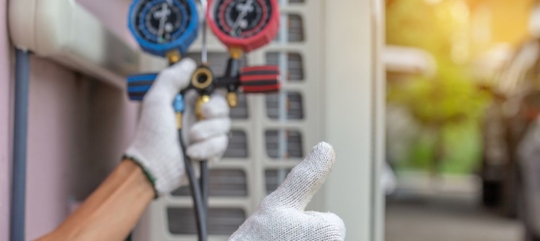
Maintenance tasks typically include cleaning or replacing filters, inspecting ductwork, and checking refrigerant levels. For instance, a well-maintained HVAC system can operate up to 15% more efficiently, significantly reducing energy bills and contributing to a more sustainable environment.
Understanding SEER Ratings and Their Impact on Energy Efficiency
Seasonal Energy Efficiency Ratio (SEER) ratings are essential for evaluating the energy efficiency of HVAC systems. A higher SEER rating indicates a more efficient unit, which can lead to substantial savings on energy costs over time.
For example, an HVAC system with a SEER rating of 20 can be up to 60% more efficient than one with a rating of 12. This difference can translate into hundreds of dollars in savings annually, making it crucial for consumers to consider SEER ratings when selecting a new system.
Innovative Technologies in HVAC Systems
The HVAC industry is continuously evolving, with innovative technologies designed to enhance energy efficiency and user comfort. Smart thermostats, variable speed motors, and advanced filtration systems are just a few examples of how technology is transforming HVAC solutions.
For instance, smart thermostats can learn user habits and adjust temperatures accordingly, optimizing energy use. Additionally, systems equipped with variable speed motors can operate at different speeds, providing precise control over heating and cooling, further improving energy efficiency.
Common HVAC Myths Debunked
There are many misconceptions surrounding HVAC systems that can lead to poor decision-making. For example, some believe that a larger HVAC unit is always better, when in fact, an oversized system can lead to inefficient operation and increased energy costs.
Another common myth is that regular maintenance is unnecessary if the system is still functioning. In reality, neglecting maintenance can result in reduced efficiency and a shorter lifespan for the unit. Educating homeowners about these myths is essential for promoting better HVAC practices and energy savings.
The Importance of Regular HVAC Maintenance
Regular maintenance of HVAC systems is crucial to ensure their efficiency and longevity. By scheduling routine check-ups, homeowners can prevent unexpected breakdowns and costly repairs, while also maximizing energy savings.
Maintenance tasks typically include cleaning or replacing filters, inspecting ductwork, and checking refrigerant levels. For instance, a well-maintained HVAC system can operate up to 15% more efficiently, significantly reducing energy bills and contributing to a more sustainable environment.
Understanding SEER Ratings and Their Impact on Energy Efficiency
Seasonal Energy Efficiency Ratio (SEER) ratings are essential for evaluating the energy efficiency of HVAC systems. A higher SEER rating indicates a more efficient unit, which can lead to substantial savings on energy costs over time.
For example, an HVAC system with a SEER rating of 20 can be up to 60% more efficient than one with a rating of 12. This difference can translate into hundreds of dollars in savings annually, making it crucial for consumers to consider SEER ratings when selecting a new system.
Innovative Technologies in HVAC Systems
The HVAC industry is continuously evolving, with innovative technologies designed to enhance energy efficiency and user comfort. Smart thermostats, variable speed motors, and advanced filtration systems are just a few examples of how technology is transforming HVAC solutions.
For instance, smart thermostats can learn user habits and adjust temperatures accordingly, optimizing energy use. Additionally, systems equipped with variable speed motors can operate at different speeds, providing precise control over heating and cooling, further improving energy efficiency.
Common HVAC Myths Debunked
There are many misconceptions surrounding HVAC systems that can lead to poor decision-making. For example, some believe that a larger HVAC unit is always better, when in fact, an oversized system can lead to inefficient operation and increased energy costs.
Another common myth is that regular maintenance is unnecessary if the system is still functioning. In reality, neglecting maintenance can result in reduced efficiency and a shorter lifespan for the unit. Educating homeowners about these myths is essential for promoting better HVAC practices and energy savings.