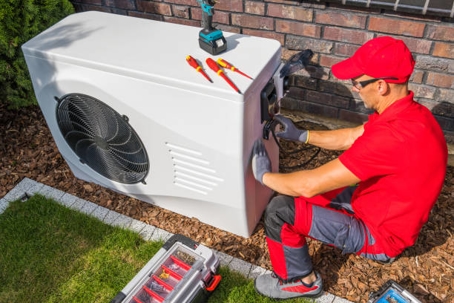
Understanding Heat Pump Efficiency
Heat pumps are known for their energy efficiency, making them an attractive option for homeowners looking to reduce utility bills. Understanding how heat pumps work and their efficiency ratings can help users make informed decisions about their heating and cooling systems.
Modern heat pumps can achieve efficiency ratings of up to 300% or more, meaning they can produce three times the amount of energy they consume. Factors such as climate, system size, and installation quality can significantly impact performance, so consulting with HVAC professionals is essential for optimal results.
Benefits of Regular HVAC Maintenance
Regular maintenance of HVAC systems is crucial for ensuring longevity and efficiency. Homeowners should understand the importance of routine check-ups to avoid costly repairs and ensure optimal performance throughout the year.
Scheduled maintenance can include tasks such as cleaning filters, checking refrigerant levels, and inspecting ductwork. These services not only enhance system efficiency but also improve indoor air quality, providing a healthier living environment for families.
Signs Your HVAC System Needs Repair
Recognizing the signs that your HVAC system requires repair can save you time and money. Homeowners should be aware of common indicators that their systems are not functioning correctly, allowing for timely intervention.
Some warning signs include unusual noises, inconsistent temperatures, and increased energy bills. Addressing these issues promptly can prevent more significant problems and extend the lifespan of the HVAC unit.
Energy-Saving Tips for Homeowners
Implementing energy-saving strategies can significantly reduce heating and cooling costs. Homeowners can take proactive measures to enhance energy efficiency and create a more comfortable living environment.
Simple actions such as sealing leaks, using programmable thermostats, and optimizing insulation can lead to substantial savings. Additionally, investing in energy-efficient appliances and systems can further decrease energy consumption and contribute to a more sustainable home.
Understanding Heat Pump Efficiency
Heat pumps are known for their energy efficiency, making them an attractive option for homeowners looking to reduce utility bills. Understanding how heat pumps work and their efficiency ratings can help users make informed decisions about their heating and cooling systems.
Modern heat pumps can achieve efficiency ratings of up to 300% or more, meaning they can produce three times the amount of energy they consume. Factors such as climate, system size, and installation quality can significantly impact performance, so consulting with HVAC professionals is essential for optimal results.
Benefits of Regular HVAC Maintenance
Regular maintenance of HVAC systems is crucial for ensuring longevity and efficiency. Homeowners should understand the importance of routine check-ups to avoid costly repairs and ensure optimal performance throughout the year.
Scheduled maintenance can include tasks such as cleaning filters, checking refrigerant levels, and inspecting ductwork. These services not only enhance system efficiency but also improve indoor air quality, providing a healthier living environment for families.
Signs Your HVAC System Needs Repair
Recognizing the signs that your HVAC system requires repair can save you time and money. Homeowners should be aware of common indicators that their systems are not functioning correctly, allowing for timely intervention.
Some warning signs include unusual noises, inconsistent temperatures, and increased energy bills. Addressing these issues promptly can prevent more significant problems and extend the lifespan of the HVAC unit.
Energy-Saving Tips for Homeowners
Implementing energy-saving strategies can significantly reduce heating and cooling costs. Homeowners can take proactive measures to enhance energy efficiency and create a more comfortable living environment.
Simple actions such as sealing leaks, using programmable thermostats, and optimizing insulation can lead to substantial savings. Additionally, investing in energy-efficient appliances and systems can further decrease energy consumption and contribute to a more sustainable home.