
Understanding HVAC Systems
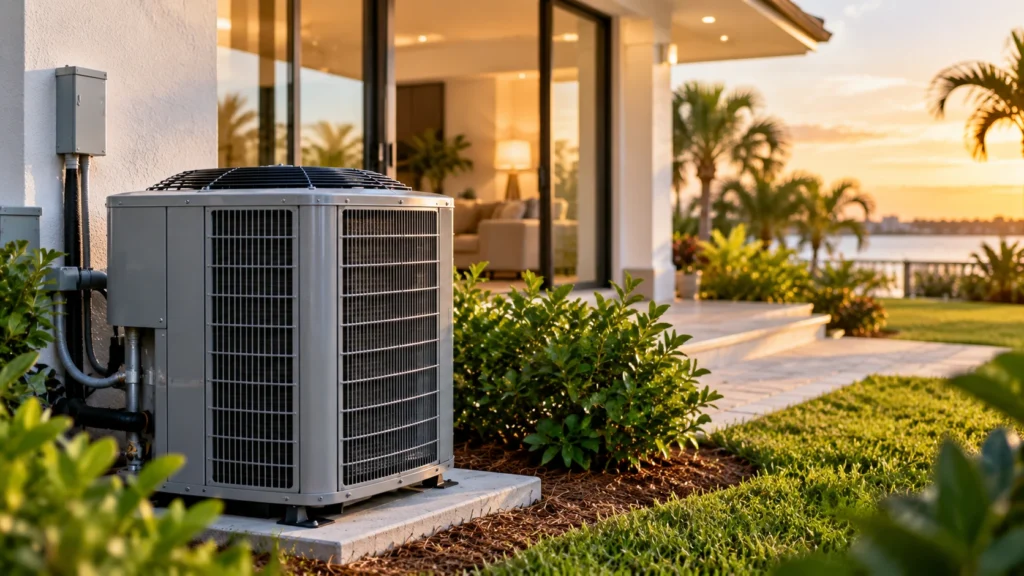
HVAC systems, which stand for heating, ventilation, and air conditioning, are integral to maintaining comfortable indoor environments. They work by regulating temperature, humidity, and air quality, ensuring that spaces remain livable regardless of external weather conditions.
There are various types of HVAC systems, including central air conditioning, ductless mini-split systems, and heat pumps. Each system has its unique attributes and applications, catering to different needs and preferences. Understanding these systems can help homeowners make informed decisions about their heating and cooling options.
Emergency HVAC Services: What to Expect
When you encounter an HVAC emergency, it's crucial to know what to expect from a professional service. Emergency HVAC services are designed to respond quickly to urgent situations, such as complete system failures or hazardous conditions like gas leaks.
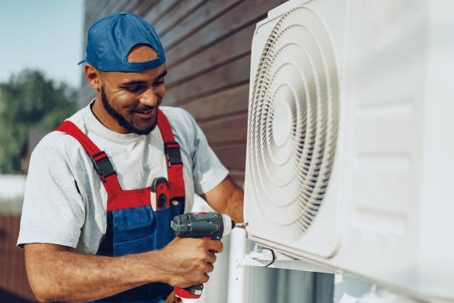
Typically, an emergency HVAC service will involve a thorough assessment of the problem, immediate repairs to restore functionality, and advice on preventing future issues. Companies like Diamond Air Design prioritize rapid response times and customer satisfaction, ensuring that your home is safe and comfortable as soon as possible.
Tips for Regular HVAC Maintenance
Regular maintenance is essential for prolonging the lifespan and efficiency of your HVAC system. Simple tasks such as changing air filters, cleaning ducts, and scheduling professional inspections can significantly enhance performance and reduce energy costs.
In addition to routine checks, homeowners should also be aware of signs that indicate maintenance is needed, such as unusual noises, inconsistent temperatures, or increased energy bills. By staying proactive with maintenance, you can avoid costly repairs and ensure your HVAC system runs smoothly year-round.
How to Choose the Right HVAC System for Your Home
Selecting the right HVAC system for your home involves considering several factors, including the size of your space, your budget, and your specific heating and cooling needs. It's important to evaluate the efficiency ratings and installation requirements of different systems to make a well-informed choice.
Consulting with HVAC professionals can also provide valuable insights into the best options available for your home. They can conduct load calculations to determine the appropriate system size and recommend energy-efficient models that align with your lifestyle and preferences.